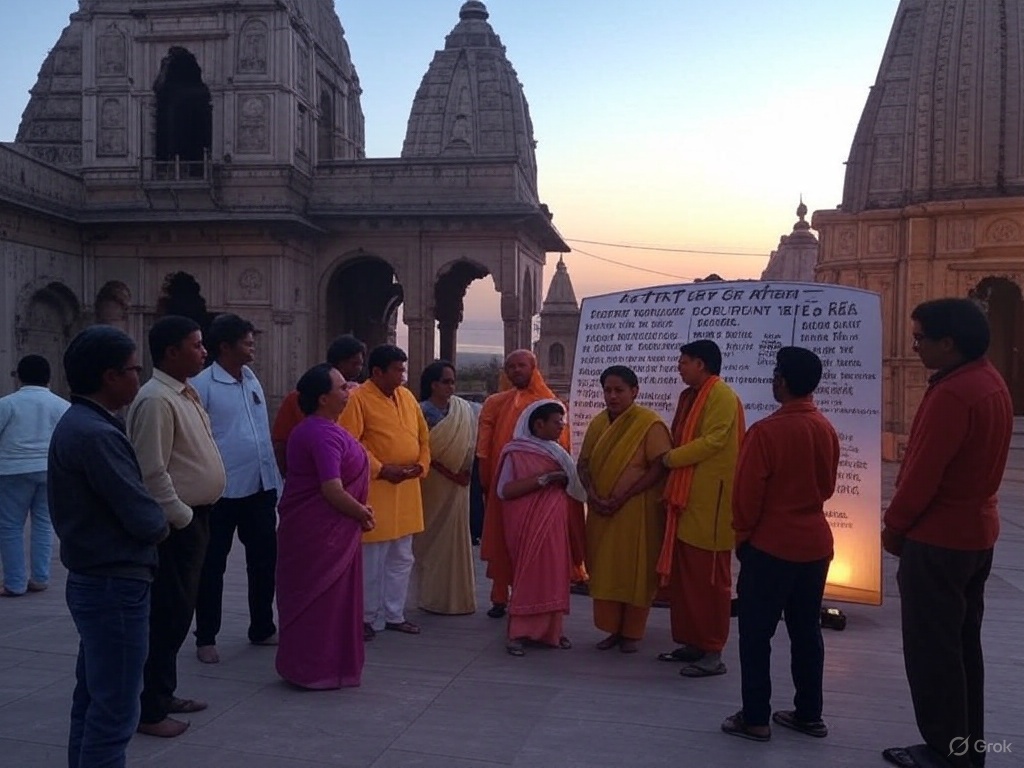
Undertaking the Govardhan Yatra is a deeply spiritual experience, and it's important to approach it with the right mindset and preparation. Here are some do's and don'ts to help you have a safe, respectful, and meaningful journey:
Do's:
1. Respect the Sanctity:
- Treat Govardhan Hill and the surrounding areas with reverence. The hill is considered sacred, and devotees believe it to be a manifestation of Lord Krishna.
- Maintain a respectful attitude and behaviour throughout the yatra.
2. Dress Modestly:
- Wear modest and comfortable clothing that is appropriate for a religious pilgrimage. Traditional Indian attire, such as kurta-pajama or saree, is recommended.
- Dress in layers during winter, and opt for light, breathable fabrics during summer.
3. Stay Hydrated:
- Carry enough water to stay hydrated throughout the parikrama, especially during the hot summer months.
- You may also carry some light snacks or fruits to maintain your energy levels.
4. Use Comfortable Footwear:
- Wear comfortable walking shoes or sandals with good grip. If you prefer to walk barefoot (as some pilgrims do), be mindful of the terrain and weather conditions.
5. Follow Rituals Properly:
- If you are performing special rituals like the Dandavata Parikrama or Milk Parikrama, ensure you understand the procedures and follow them correctly.
Take guidance from knowledgeable devotees or priests if you’re unsure about any ritual.
6. Start Early:
- Begin your parikrama early in the morning to avoid the midday heat, especially in summer.
- Starting early also allows you to complete the journey before it gets too crowded.
7. Keep the Environment Clean:
- Dispose of waste responsibly. Use designated trash bins, or carry your trash with you until you find a proper disposal area.
- Avoid littering, as keeping the pilgrimage route clean is part of respecting the sacred site.
8. Be Mindful of Others:
- Respect fellow pilgrims' space and pace. Some may walk slowly due to age, health, or spiritual practices
- Offer assistance if you see someone struggling, especially elderly or disabled pilgrims.
9. Carry Identification and Essentials:
- Carry a form of identification, some cash, a mobile phone, and any necessary medications.
- It’s also helpful to have a map or guidebook of the area if you’re unfamiliar with the route.
10. Visit Key Temples and Sites:
- Take time to visit significant temples and holy sites along the parikrama path, such as Radha Kund, Shyama Kund, and Kusum Sarovar.
- Offer prayers and take a moment to meditate or reflect at these sacred spots.